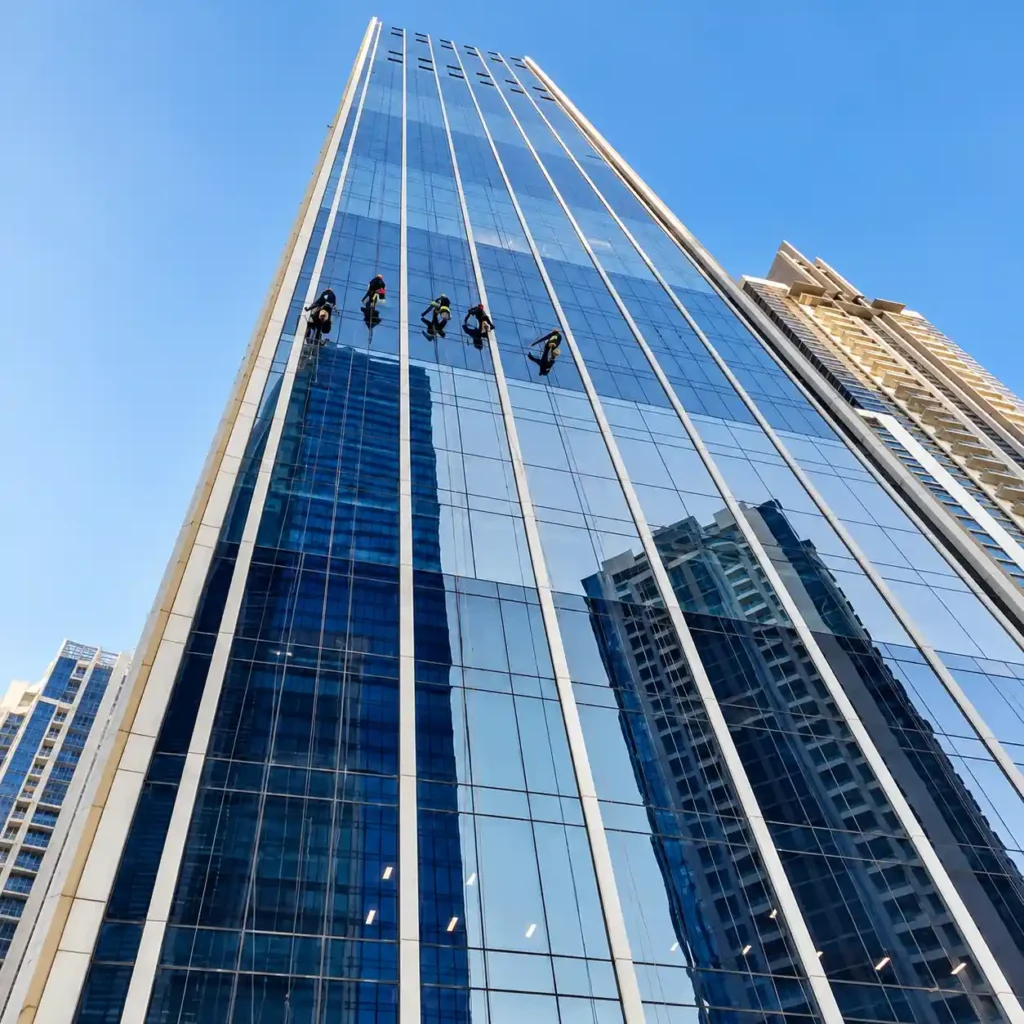
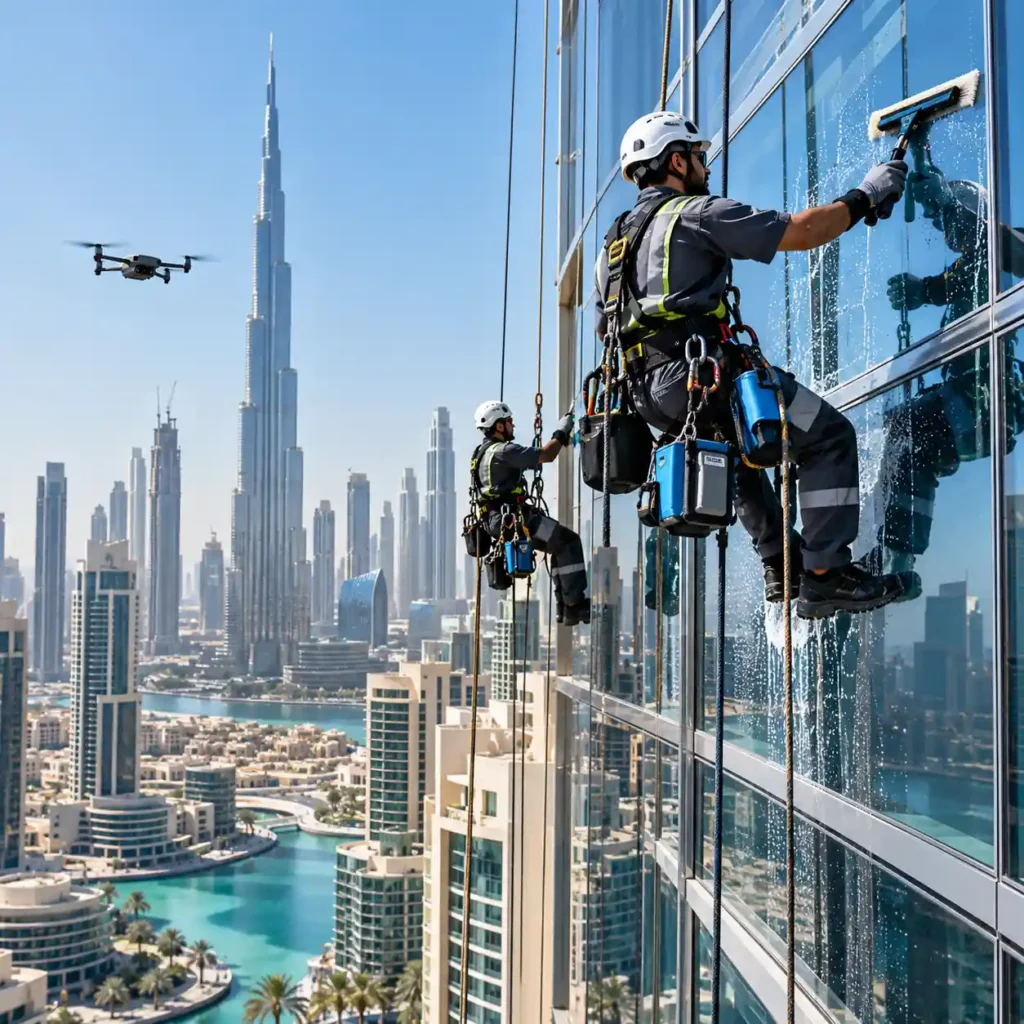
Modern buildings feature a combination of materials, including glass, coated glazing, anodised aluminium and natural stone, each requiring a specific cleaning approach. Using unsuitable equipment or cleaning methods can leave surfaces improperly cleaned, damage protective coatings or affect the building’s appearance. Advanced building cleaning equipment helps address these challenges by providing the right tools for different surface types, levels of contamination and access conditions. Selecting the appropriate equipment is essential for achieving effective, consistent and safe cleaning results.
Why Facade Materials Determine Equipment Choice
Different facade materials require different cleaning techniques and equipment to achieve effective results without damaging the surface. Glass, aluminium and natural stone each have specific maintenance requirements, making material identification an essential part of professional facade cleaning.
Coated and Treated Glass
Coated glass requires careful cleaning to preserve its protective and functional properties. Abrasive pads, harsh chemicals and unsuitable cleaning tools can damage delicate coatings or leave permanent marks. Professional cleaners should use compatible equipment and cleaning solutions based on the manufacturer’s recommendations, with surface testing where necessary.
Aluminium and Metal Cladding
Aluminium panels and metal cladding can be susceptible to scratches, chemical reactions and damage to protective finishes. The right cleaning equipment should provide controlled water application and gentle surface treatment. High-pressure washing must be assessed carefully, particularly around joints, seals and exposed architectural details.
Natural Stone
Natural stone surfaces, including limestone, marble and granite, differ in porosity, mineral composition and chemical sensitivity. Using unsuitable cleaning products or excessive pressure can cause staining, etching or surface deterioration. Equipment and cleaning methods should therefore be selected according to the specific stone type, with a small test area used to assess compatibility before full-scale cleaning.
Which Cleaning Equipment Is Useful?
| Equipment | Suitable application | Limitation |
| Purified-water system | Compatible exterior glazing | May not remove bonded deposits without additional treatment |
| Soft brushes and microfiber tools | Suitable sensitive surfaces | Incorrect tools or trapped grit may still scratch |
| Controlled low-pressure rinsing | Compatible facade surfaces | Water ingress and surface sensitivity must be assessed |
| Water-fed poles | Reachable exterior windows | Limited by access, height and handling conditions |
| Specialist access equipment | High or difficult-to-reach areas | Requires separate access planning and competent operators |
No single tool is appropriate for every surface.
Why Higher Pressure Is Not Always Better
Increasing water pressure is not always the most effective way to remove stubborn facade stains. Deposits may result from mineral buildup, environmental pollution or surface deterioration, each requiring a different cleaning approach. Excessive pressure can damage protective finishes, weaken vulnerable surfaces or force water into facade joints and seals.
Professional cleaning teams should first identify the type of contamination and assess the surface condition before selecting the appropriate cleaning method. This is particularly important when carrying out facade cleaning in Dubai, where buildings may feature multiple materials with different pressure and cleaning requirements.
Equipment Selection Should Follow a Test Area
Before starting full-scale facade cleaning, contractors should test the selected equipment and cleaning method on a small, representative section of the building. This helps determine whether the approach removes contamination effectively without damaging the surface, leaving residue or altering its finish.
The assessment should also account for drying conditions, as streaks, watermarks and other imperfections may only become visible once the surface has dried. If the test results are unsatisfactory, the equipment or cleaning method should be adjusted before proceeding with the remaining facade.
Different Buildings Need Different Cleaning Setups
Building height, architectural design, surface materials and accessibility all influence the choice of cleaning equipment. High-rise buildings with curtain wall facades may require specialist access systems and material-specific tools, while low-rise commercial properties can often be cleaned using ground-based equipment.
Residential glazing also requires an appropriate combination of tools and access methods, particularly when arranging window cleaning in Dubai.
Similarly, a villa cleaning service in Dubai should use equipment suited to the property’s finishes, layout and specific cleaning requirements. Selecting equipment based on the actual task rather than building size alone helps achieve safer and more consistent results.
What to Ask Before Approving Equipment
For building cleaning in Dubai, ask the contractor to identify the surfaces, proposed tools and cleaning products.
Request clarification on sensitive coatings, sample testing and how unexpected staining will be handled.
Advanced equipment is useful when it improves control, compatibility or access. It is not valuable simply because it is newer.
That material-first approach also supports the modern high-rise maintenance methods increasingly associated with long-term facade care.
Frequently Asked Questions
Is pressure washing suitable for every building exterior?
No. Pressure, water direction and surface compatibility must be assessed before use.
Does purified water work on all facade stains?
No. It may help reduce rinsing residues on suitable surfaces but will not necessarily remove mineral scale, corrosion or bonded contamination.
Why is a cleaning test area important?
It helps assess cleaning effectiveness and possible surface reactions before the method is applied more widely.