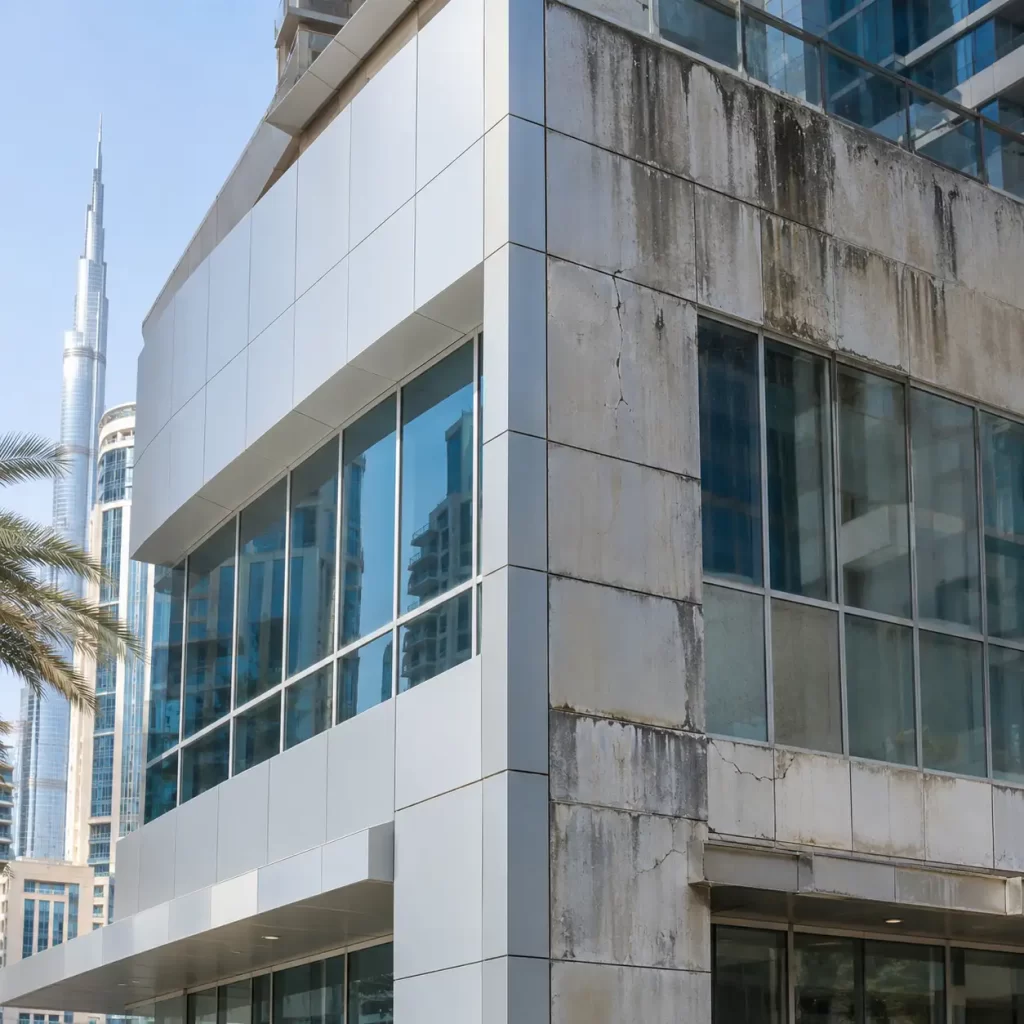

Your building’s exterior looks worn out. Dark stains are spreading across the walls, paint is peeling near the windows, and some areas still look dirty even after cleaning. Does the building need another wash, or is it time for repairs?
The difference matters more than you might think. Paying for repeated cleaning won’t fix damaged surfaces, while repairing a facade that only has surface dirt is an unnecessary expense.
In Dubai, where buildings face frequent dust exposure, humidity, coastal salt, and intense sunlight, exterior deterioration can take several forms. Understanding facade cleaning vs repair helps property owners and facility managers identify the actual problem before committing to costly work.
Facade Cleaning vs Repair: What’s the Actual Difference?
Facade cleaning removes dirt, pollutants, stains, and other contaminants from exterior surfaces without replacing or reconstructing the building material.
Facade repair addresses physical damage, such as cracked render, deteriorated sealants, damaged cladding, or failing coatings.
The simplest distinction is that cleaning treats surface contamination, while repair addresses defects in the building’s exterior system.
| Building Condition | Facade Cleaning | Facade Repair |
| Dust and pollution buildup | Usually sufficient | Not required |
| Bird droppings and surface grime | Usually sufficient | Not required unless damage exists |
| Salt deposits on sound surfaces | May remove deposits | Needed if underlying damage is present |
| Peeling paint or damaged coatings | Cannot restore the coating | May require surface preparation and recoating |
| Cracked render or concrete | Cannot fix cracks | Requires professional assessment |
| Loose or damaged cladding | Unsafe to treat as routine cleaning | Requires specialist attention |
| Recurring moisture stains | Can remove some visible stains | Underlying cause may require repair |
Not every stained surface needs restoration. However, visible damage should never be dismissed as ordinary dirt.
When Does Your Building Only Need Facade Cleaning?
If the building’s exterior remains physically sound, professional cleaning may be all that’s required to improve its appearance.
Here are three common situations.
1. Dust and Pollution Have Made the Exterior Look Dull
Dubai’s dusty environment allows fine particles to accumulate on glass, aluminium panels, painted walls, and textured exterior surfaces.
When the discoloration is mainly caused by surface dirt, suitable cleaning can restore a cleaner appearance without requiring repairs.
2. Glass and Cladding Have Visible Watermarks or Grime
Water spots, bird droppings, and pollution residue can make an otherwise well-maintained building look neglected.
These contaminants can often be treated through appropriate facade cleaning services in Dubai, provided the glass, coatings, joints, and panels are in suitable condition.
3. Surface Deposits Are Present but No Physical Damage Is Visible
Some exterior walls develop white mineral deposits or dark surface stains.
These may be removable, but their cause matters. If deposits repeatedly return in the same location, moisture movement or drainage problems may require investigation.
Important: Cleaning is appropriate when the surface is sound and the staining is removable. A contractor should check the material’s condition before recommending chemicals or pressure washing.
5 Signs Your Building Needs Facade Repair, Not Just Cleaning
Some forms of facade deterioration cannot be corrected by washing. Recognizing these signs early can prevent unnecessary cleaning expenses and help identify defects that need professional attention.
1. Cracks Are Appearing or Getting Wider
Small cracks in exterior render can develop from several causes, including material movement and weathering.
However, widening cracks, detached render, or cracking around joints may indicate problems requiring closer examination.
A building maintenance or facade specialist should assess the affected area before cleaning, particularly where loose material could create a falling-object hazard.
2. Exterior Wall Stains Keep Coming Back
Imagine cleaning a wall only to see the same dark patch reappear a few weeks later.
Repeated staining around windows, drainage outlets, or air-conditioning units may indicate leaking joints, poor drainage, or persistent moisture.
For example, yellow discoloration near AC equipment can have several causes. Shafaf’s guide on why facades turn yellow near AC units explains why identifying the source matters before repeating the cleaning process.
If a stain keeps returning, investigate the cause rather than simply increasing the cleaning frequency.
3. Paint Is Peeling or the Surface Is Blistering
Peeling paint isn’t always a cleaning problem.
Coating failure may result from ageing, moisture exposure, poor adhesion, or unsuitable previous application.
Cleaning can remove dirt before repainting, but it cannot restore a failed coating. Depending on the condition, the affected area may need surface preparation, moisture correction, and recoating.
4. Cladding Panels Are Loose or Damaged
Aluminium composite panels, stone cladding, and other facade systems rely on secure fixings and connections.
Loose panels, unusual movement, visible gaps, or detached components require specialist inspection.
Cleaning should be postponed in affected areas until the hazard has been assessed and appropriate repairs have been completed.
5. Moisture Is Affecting Interior Walls
Water stains around internal windows, damp patches, or damaged finishes may indicate water entering through the building envelope.
Exterior cleaning cannot resolve defective waterproofing, failed sealants, or water ingress.
These problems require investigation to identify the entry point and suitable corrective action.
Can Facade Cleaning Damage a Building That Needs Repair?
Yes. Using the wrong cleaning method on a deteriorating facade can worsen existing problems.
For example, excessive water pressure may force moisture into damaged joints, disturb loose coatings, or affect weakened render. Aggressive chemicals can also discolor sensitive stone, metal finishes, and protective coatings.
The correct approach depends on the material:
- Glass: Use suitable non-abrasive methods and check for damaged glazing or seals.
- Aluminium cladding: Avoid chemicals that could damage the surface finish.
- Natural stone: Select products compatible with the particular stone and its condition.
- Painted walls: Assess coating adhesion before washing.
- Concrete and render: Inspect cracks, loose areas, and surface deterioration first.
A professional contractor should identify vulnerable areas, follow relevant manufacturer guidance, and test the proposed cleaning method on a small representative section when appropriate.
This is particularly important for older buildings where previous maintenance records may be incomplete.
Is Facade Cleaning Cheaper Than Facade Repair in Dubai?
Facade cleaning generally costs less than extensive facade restoration, but the actual price depends on the building and scope of work.
For cleaning, contractors typically consider the facade area, building height, access requirements, material type, and level of contamination.
Repair pricing depends on different factors, including defect severity, affected components, replacement materials, technical assessments, and the extent of corrective work.
There is another cost worth considering: paying for cleaning that doesn’t solve the original problem.
For example, cleaning a moisture-stained wall several times without addressing a leaking joint can lead to repeated expenses. Similarly, starting repairs without identifying the source of damage may not prevent the issue from returning.
A proper assessment helps determine whether you need cleaning, repairs, or a combination of both.
For a closer look at cleaning-specific pricing factors, read Shafaf’s facade cleaning cost guide for Dubai.
Should You Clean the Facade Before or After Repairs?
In many cases, both cleaning and repair are necessary, but the correct sequence depends on the condition of the building.
An initial inspection should identify damaged or unstable areas before any cleaning starts. If repairs involve removing loose material or opening up the facade, those hazards should be addressed first.
Some repair projects also require carefully controlled surface cleaning before applying new materials.
Once repairs, sealants, and coatings have been completed and sufficiently cured, final cleaning may be appropriate to remove construction dust and remaining surface contamination.
A practical sequence is:
- Inspect the facade: Identify stains, cracks, water ingress, and damaged components.
- Determine the cause: Establish whether the issue is contamination, material failure, or both.
- Complete necessary repairs: Address defects before exposing vulnerable areas to cleaning.
- Carry out suitable cleaning: Use methods compatible with the repaired and existing surfaces.
- Document the results: Record completed work and any areas needing further monitoring.
This prevents cleaning and repair contractors from working against each other.
How Can You Avoid Unnecessary Facade Repairs?
Routine cleaning cannot prevent every structural or material defect, but it can support better building maintenance. For property owners investing in building cleaning in Dubai, regular facade maintenance helps control surface contamination, identify early signs of deterioration, and reduce the risk of avoidable repair expenses.
Removing accumulated contaminants makes exterior surfaces easier to inspect. It also helps maintenance teams identify developing stains, damaged joints, and other visible changes before they become more difficult to manage.
For Dubai properties, a practical maintenance approach includes regular visual checks, timely investigation of recurring stains, and cleaning methods suited to the exterior materials.
Buildings near coastal areas, busy roads, or construction sites may experience faster contamination than sheltered properties.
There is no single cleaning schedule suitable for every building. Shafaf’s article on how often facade cleaning should be done in the UAE explains how location, material, and environmental exposure influence the cleaning interval.
What Should You Ask Before Hiring a Facade Cleaning Contractor?
Before approving exterior cleaning, make sure the contractor understands the condition of your building rather than simply quoting for the total surface area.
Ask these questions:
- Has the facade been checked for loose panels, cracks, and damaged coatings?
- Which cleaning methods are suitable for each exterior material?
- Will existing stains and damage be documented before work begins?
- What access equipment, safety measures, and property protection are included?
- Are specialist stain treatments included in the quotation?
- How will areas requiring repair be handled or excluded?
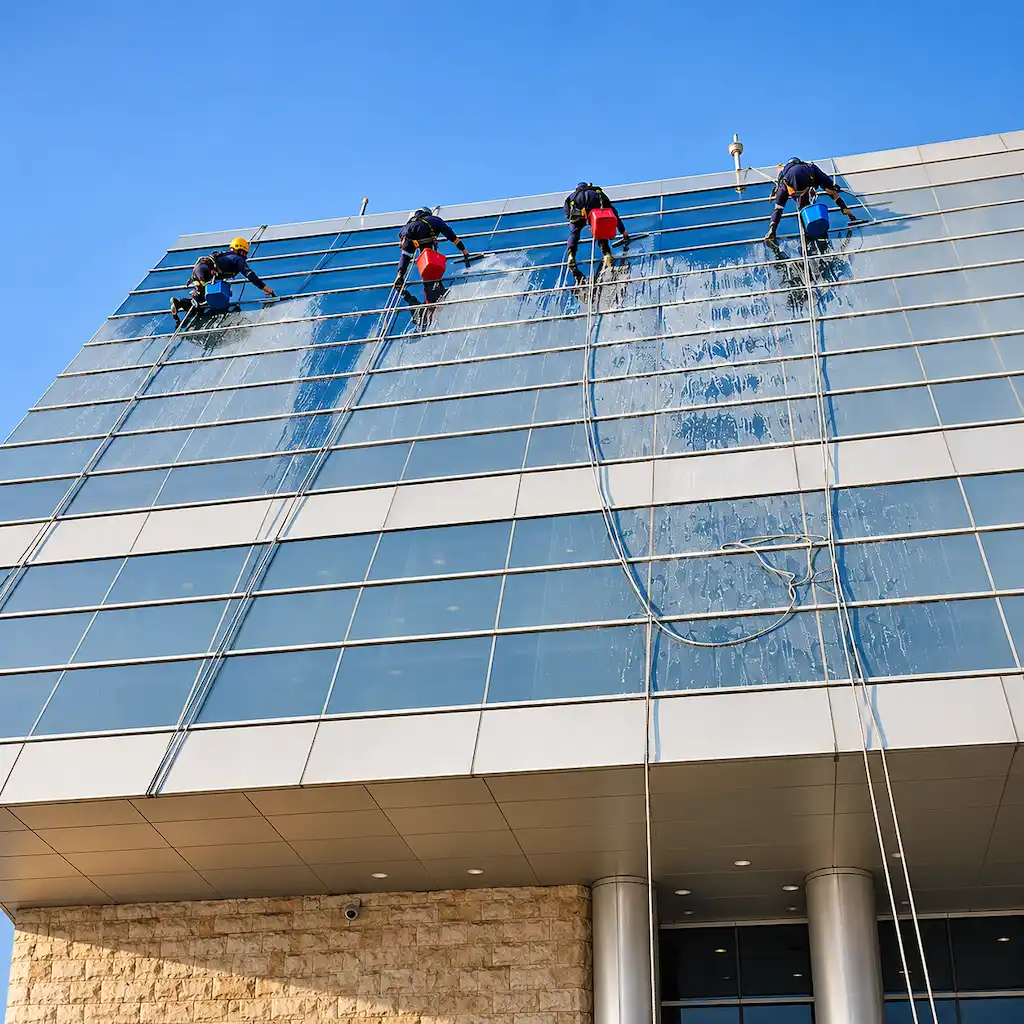
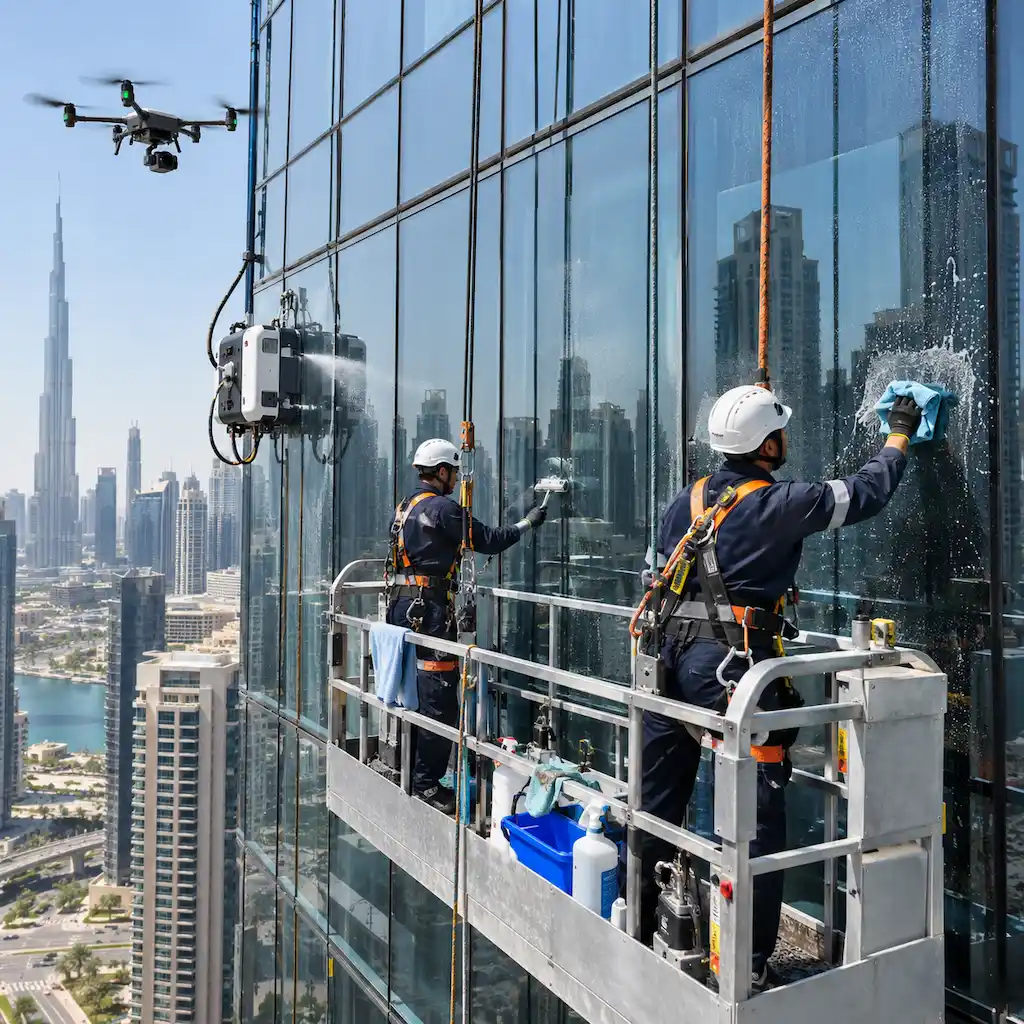
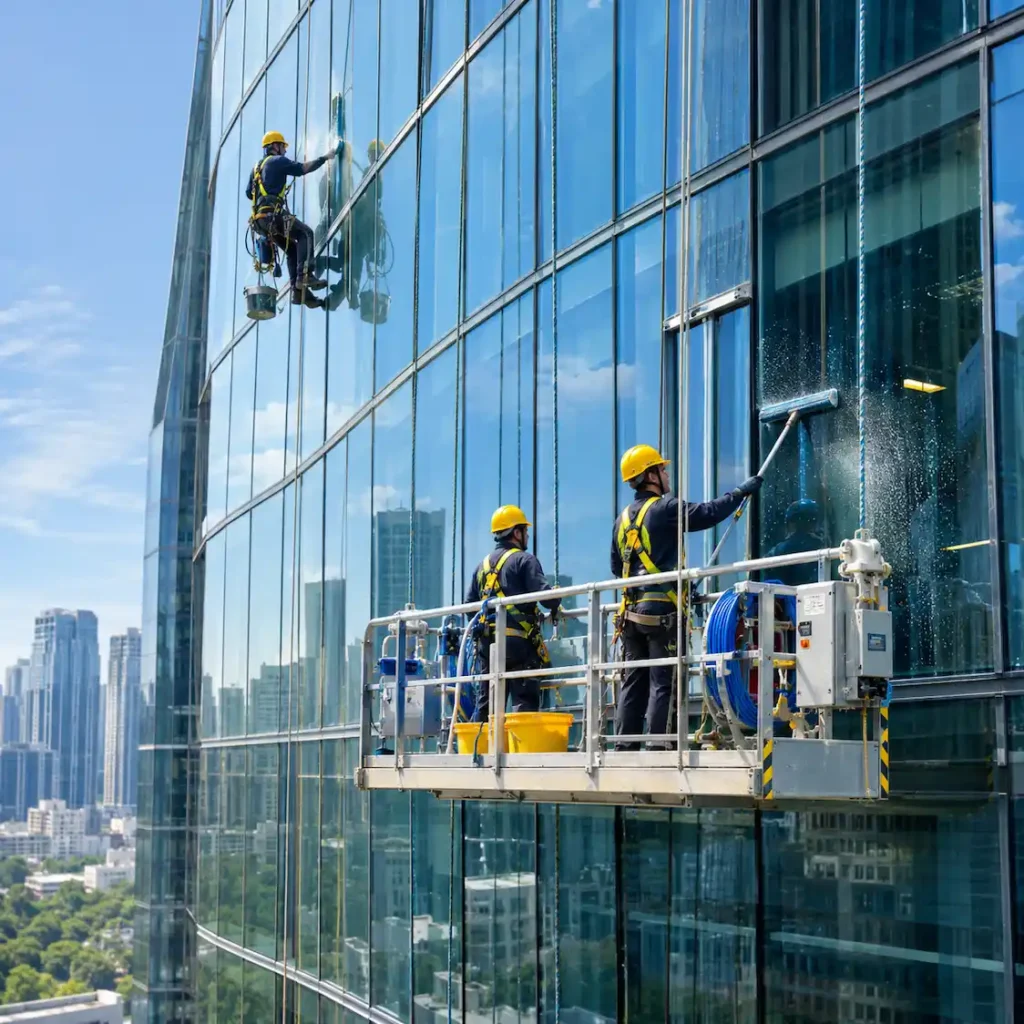
For high-rise buildings, safe access planning and protection of people below are especially important. The contractor should explain how work will be managed around entrances, occupied areas, and nearby property.
A clearly defined scope makes it easier to compare quotations and avoid disputes over work that was never included.
Final Verdict: Does Your Dubai Building Need Cleaning or Repair?
The right solution depends on whether the problem affects the surface appearance or the condition of the building material.
If your facade has dust, ordinary pollution stains, bird droppings, or removable deposits on sound surfaces, professional cleaning may be sufficient.
If you notice widening cracks, loose cladding, peeling coatings, or persistent moisture problems, arrange an appropriate technical assessment before cleaning.
For buildings affected by both dirt and deterioration, repairs and cleaning may need to be coordinated.
At Shafaf Cleaning, we provide professional exterior and facade cleaning services for residential and commercial properties across Dubai and Sharjah.
If your building needs professional exterior cleaning, contact our team to discuss the property, cleaning requirements, and a suitable quotation.
Frequently Asked Questions
Can facade cleaning remove cracks or damaged paint?
No. Facade cleaning removes suitable surface contaminants but cannot repair cracks, replace damaged materials, or restore failed paint coatings. These issues require appropriate repair work.
How do I know if facade stains are permanent?
The stain’s cause and the underlying material must be assessed. Some deposits can be removed with suitable cleaning, while corrosion, coating damage, or moisture-related discoloration may require other treatment.
Is facade restoration the same as facade cleaning?
No. Facade restoration may involve repairs, surface treatments, recoating, or replacement of deteriorated components. Cleaning focuses on removing contaminants and may form one part of a wider restoration project.
Can I pressure wash a cracked exterior wall?
Pressure washing a cracked or deteriorating wall without assessment is not recommended. Water can enter damaged joints or worsen loose coatings. The affected area should be evaluated before selecting a cleaning method.
Should I hire a cleaning company or a repair contractor?
Choose a cleaning contractor for removable surface contamination on sound materials. For cracked, loose, leaking, or physically damaged components, consult a qualified facade or building repair specialist first.