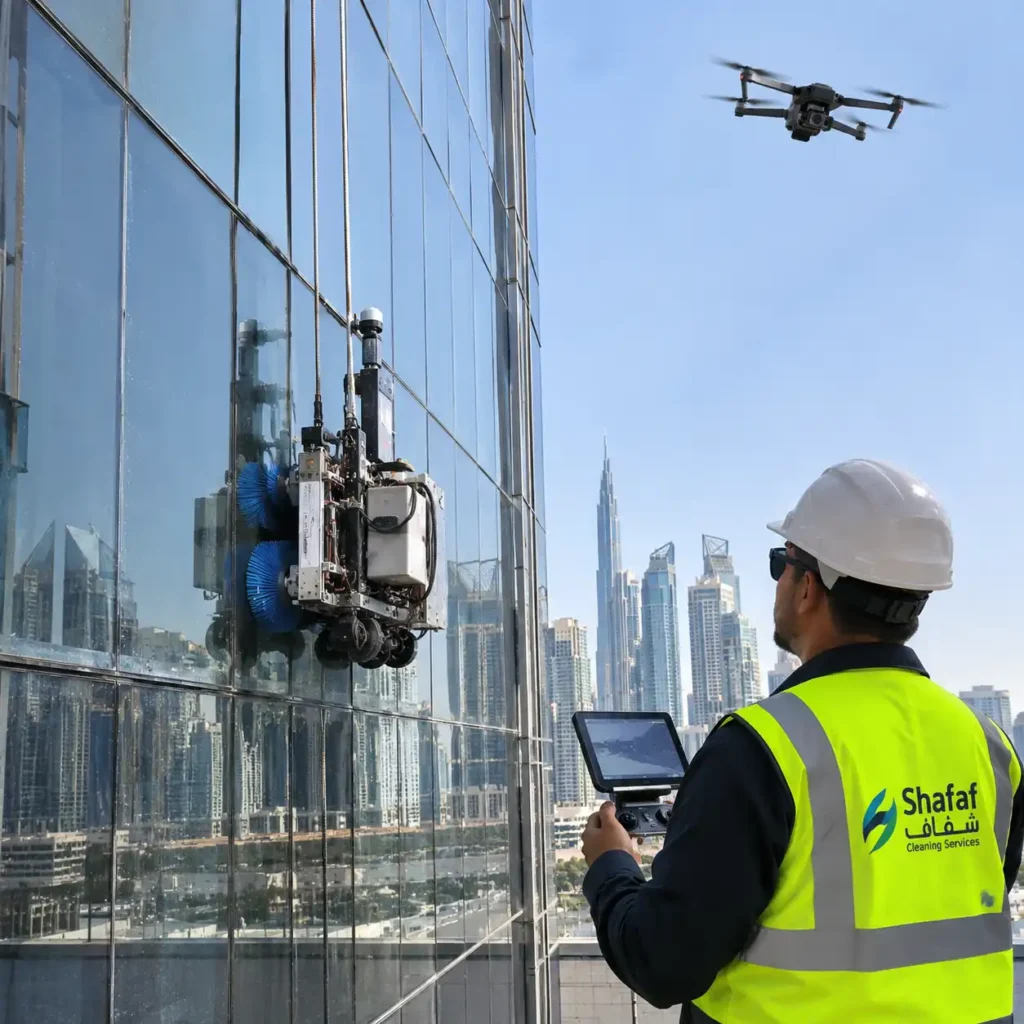
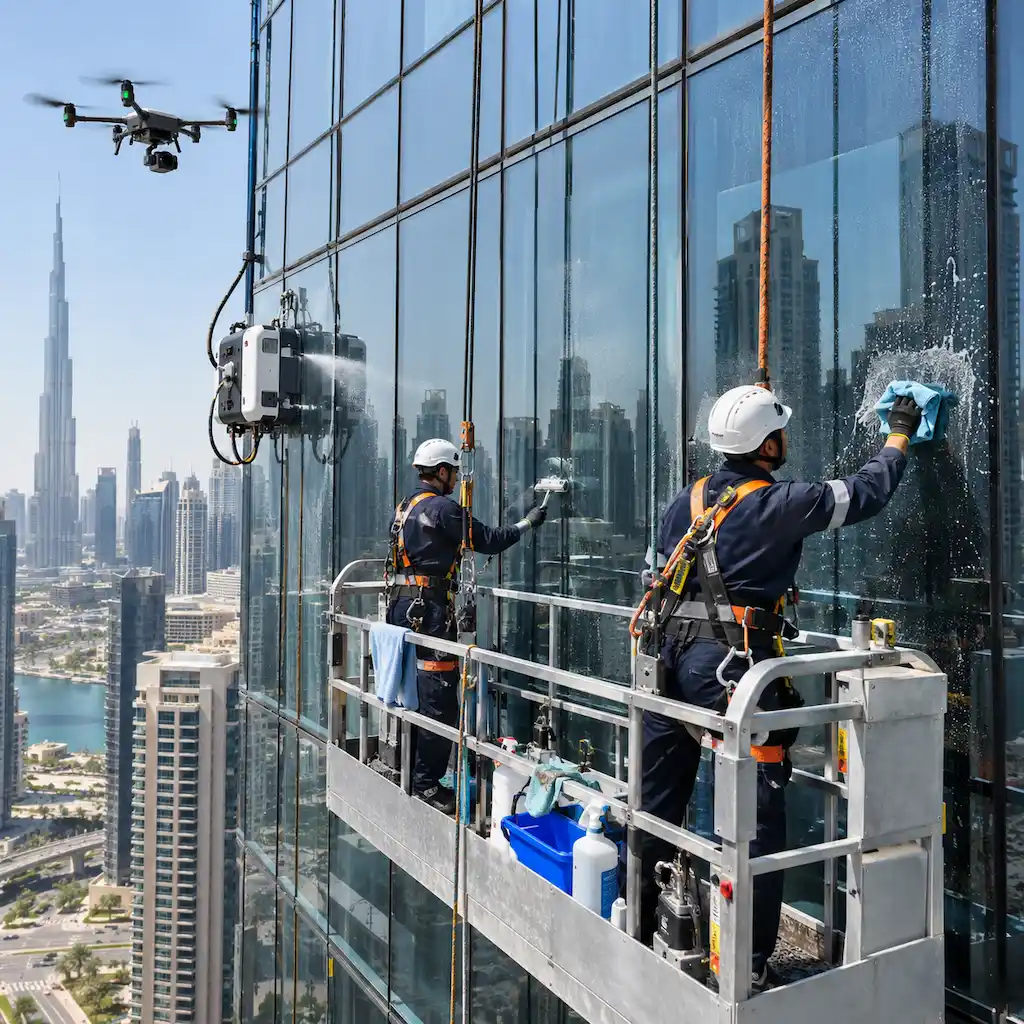
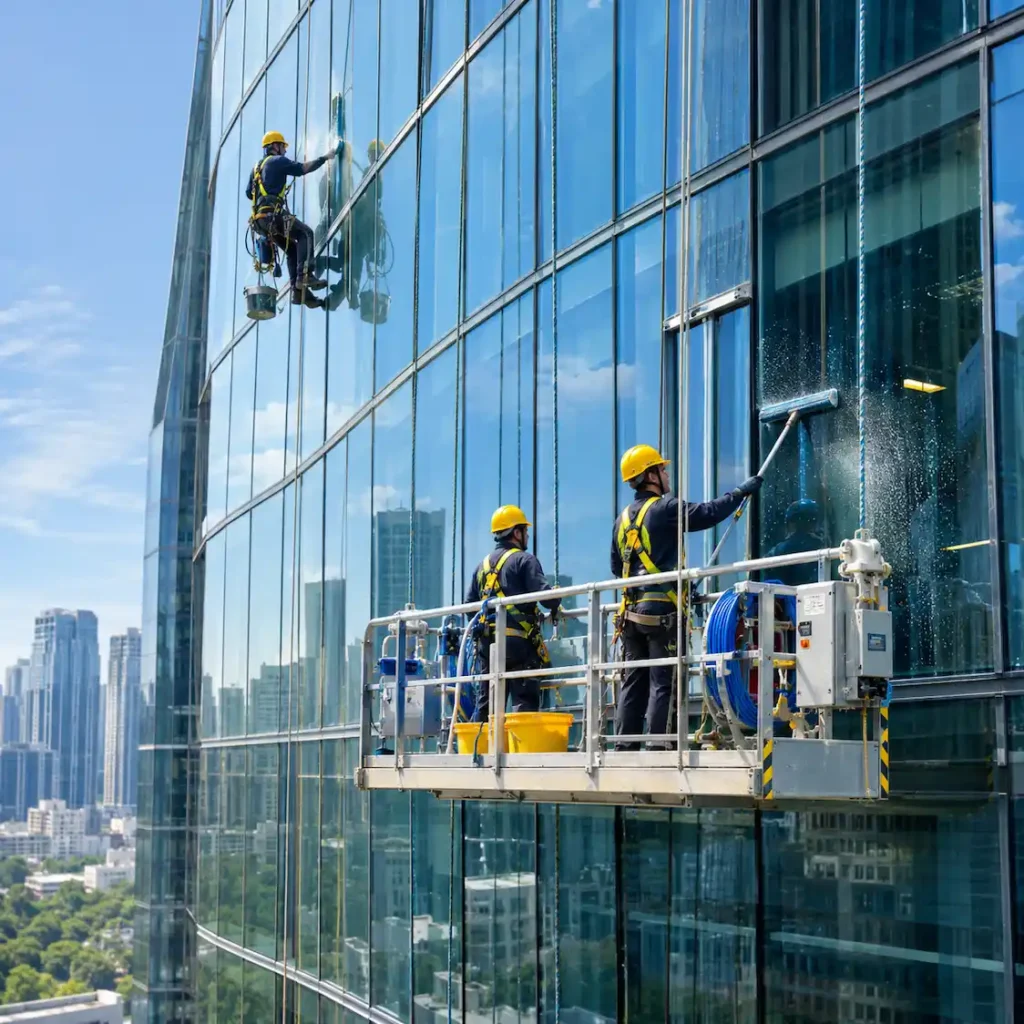
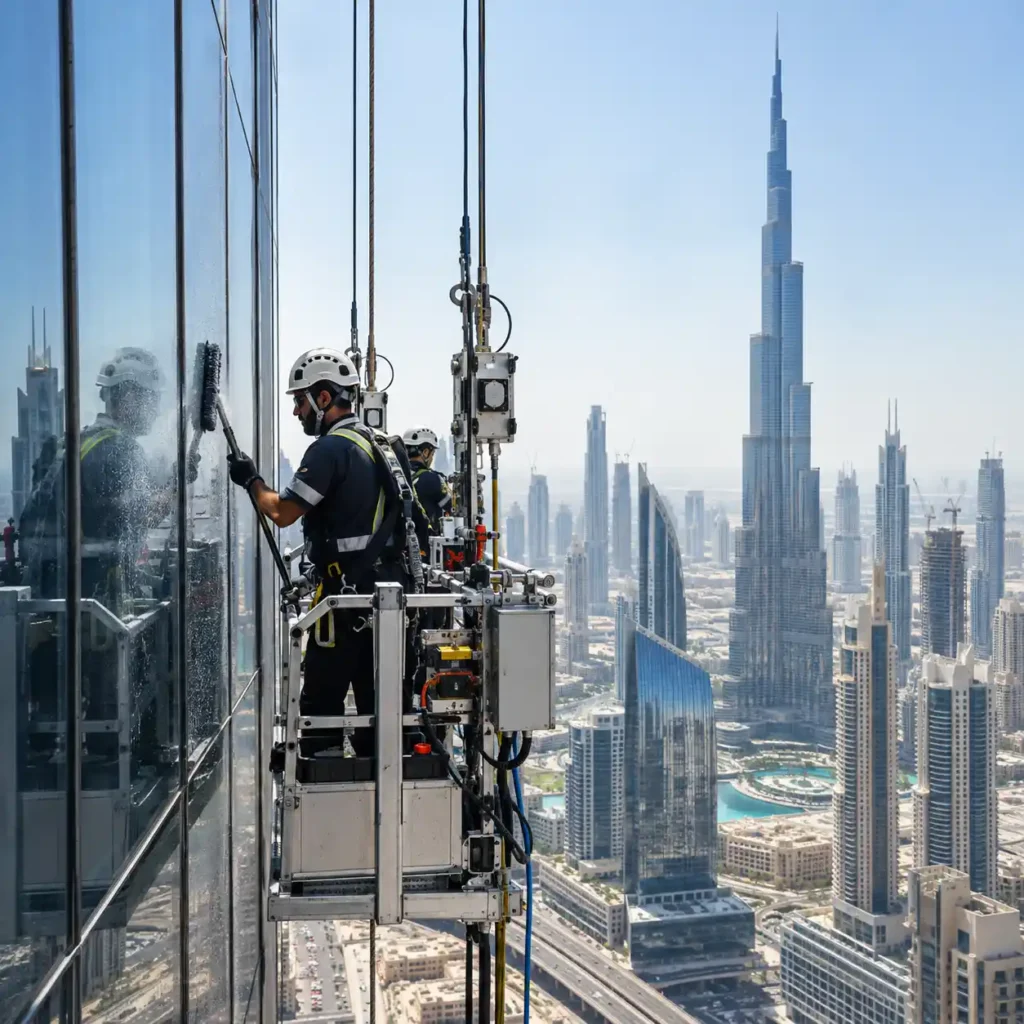
A robotic cleaning system can follow a programmed route across a suitable building surface. However, identifying damaged sealant, responding to unexpected obstructions and recognising material deterioration require more than automated movement.
This distinction is shaping the future of high-rise cleaning.
As automation develops, robotic equipment, digital inspection tools and traditional cleaning methods are becoming part of the same maintenance landscape. Technology can support repetitive tasks and improve inspection processes, but skilled technicians remain essential for assessing building conditions, managing risks and verifying results.
Understanding how these responsibilities work together provides a more realistic picture of automation in high-rise cleaning.
How Is Automation Changing High-Rise Cleaning?
Automation is introducing new ways to approach certain facade cleaning and inspection activities.
Depending on the building design and equipment capabilities, technology can support:
- Robotic surface cleaning: Specialist machines can perform repetitive cleaning movements on compatible surfaces.
- Automated inspections: Drones and camera-equipped devices can capture images of difficult-to-reach facade areas.
- Digital condition monitoring: Inspection records can help maintenance teams compare observations across different visits.
- Equipment-assisted operations: Mechanised systems can reduce repetitive manual effort in suitable working environments.
These developments can improve consistency and help teams gather information more efficiently.
However, automation is not equally suitable for every building. Facade materials, architectural features, access arrangements and environmental conditions all influence whether a particular system is practical.
Human Skills vs Robotic Window Cleaning: What Is the Difference?
The main difference is between performing a programmed operation and making decisions based on changing site conditions.
Tasks Technology Can Perform
Robotic cleaning equipment can be useful when surfaces, movement patterns and operating conditions are sufficiently predictable.
For example, specialist systems may support cleaning on compatible glass facades with relatively uniform layouts.
Drones can also capture visual information from external building areas, helping inspection teams identify locations that require closer assessment.
These technologies can reduce some repetitive activities, but their effectiveness depends on equipment specifications, approved operating conditions and appropriate supervision.
Tasks That Require Human Judgement
Experienced technicians bring practical knowledge that automated equipment cannot automatically reproduce.
Their responsibilities include:
- Recognising unusual surface marks or signs of deterioration.
- Assessing whether a cleaning method is appropriate for a particular material.
- Responding to unexpected obstructions and changing weather conditions.
- Identifying when equipment should be stopped or an area requires further inspection.
- Checking cleaning quality and reporting defects.
For example, a persistent stain on a glass or stone facade may not simply be surface dirt. Applying a stronger cleaning chemical without understanding the cause could damage the finish.
A trained technician can recognise when further assessment is necessary instead of repeatedly applying the same treatment.
Why Human Expertise Remains Important in Automated Facade Maintenance
Automation can assist with specific operations, but high-rise building maintenance involves decisions that extend beyond cleaning equipment.
1. Understanding Different Facade Materials
Modern buildings may combine glass, aluminium, natural stone, coated panels and other architectural finishes.
Each material can have different cleaning requirements.
Technicians need to understand the limitations of cleaning chemicals, pressure levels and equipment contact methods to avoid unnecessary surface damage.
2. Managing Unexpected Site Conditions
High-rise environments can change during an operation.
Wind conditions may deteriorate, access routes may become restricted, and equipment may encounter unexpected obstacles.
Trained personnel must understand the relevant safety procedures and recognise when work needs to stop.
3. Identifying Potential Building Defects
Cleaning activities can reveal issues that are difficult to notice when a facade is covered with dust or environmental deposits.
Examples include:
- Cracked or deteriorating sealant.
- Damaged facade coatings.
- Corrosion around metal components.
- Loose or damaged external fixtures.
- Unusual staining that may require specialist investigation.
Cleaning technicians should report these observations rather than attempt repairs outside their competence.
4. Verifying the Final Cleaning Result
Completing a programmed cleaning route does not automatically mean that a facade has been cleaned to the required standard.
Human quality checks remain important for identifying streaks, residue, missed sections and possible surface damage.
How Automation Is Changing High-Rise Cleaning Jobs and Skills
The development of automated equipment is changing the technical knowledge required across the cleaning industry.
Rather than focusing exclusively on manual cleaning methods, future cleaning teams may increasingly need to understand how to operate, monitor and evaluate technology-assisted equipment.
Important skills include:
- Equipment operation: Understanding operating procedures, limitations and maintenance requirements.
- Facade knowledge: Recognising different materials and their cleaning sensitivities.
- Digital inspection: Interpreting photographs, inspection records and monitoring data.
- Safety assessment: Identifying hazards and following appropriate work-at-height procedures.
- Quality control: Evaluating completed work and documenting any outstanding issues.
Rope access training and robotic equipment operation are also different competencies. A technician qualified for one task should not automatically be considered qualified for the other.
The future of high-rise cleaning jobs will depend on how contractors adopt technology, train their workforce and organise responsibilities across different types of projects.
Will Robots Replace High-Rise Cleaning Technicians?
Robots are unlikely to eliminate the need for skilled technicians across all high-rise cleaning environments.
Some buildings have relatively uniform surfaces that may be suitable for specialist robotic systems. Others feature complex architecture, delicate finishes, recessed sections and access limitations that make manual intervention necessary.
Automation may reduce direct manual involvement in certain repetitive activities while increasing the need for equipment setup, monitoring, maintenance and quality verification.
The commercial practicality of robotic cleaning also depends on several factors:
- Initial equipment and maintenance costs.
- Compatibility with the building’s facade.
- Time required for installation and operation.
- Weather and environmental limitations.
- The amount of manual finishing still required.
For property managers, the important consideration is not whether a contractor uses robots or traditional equipment. It is whether the selected approach is suitable for the building and supported by competent personnel.
What Property Managers Should Look for in a High-Rise Cleaning Contractor
Choosing a contractor requires more than comparing equipment or advertised cleaning methods.
When evaluating a provider for building cleaning in Dubai, property managers should understand how technology, trained personnel and safety procedures work together.
Consider asking:
- How is the facade assessed before cleaning begins?
- Which cleaning methods are suitable for the building materials?
- What equipment is used, and what are its operating limitations?
- Who supervises the cleaning operation?
- How are unexpected hazards and surface defects reported?
- How is the completed cleaning work inspected?
For facade cleaning in Dubai, the selected method should account for surface sensitivity, building design, access requirements and operational safety.
As discussed in our article on the future of smart building maintenance, technology is most useful when it supports a well-managed maintenance strategy rather than replacing essential technical judgement.
Frequently Asked Questions
What is automation in high-rise cleaning?
Automation in high-rise cleaning involves using robotic equipment, mechanised systems and digital technologies to support facade cleaning, inspection and maintenance activities.
Can robots clean high-rise building windows?
Yes. Specialist robotic systems can clean certain high-rise glass surfaces, depending on their design, attachment methods, facade compatibility and approved operating conditions.
Will automation reduce high-rise cleaning jobs?
Automation may change the tasks performed by cleaning professionals, particularly repetitive operations. However, equipment supervision, safety management, facade assessment and quality control continue to require trained personnel.
What skills will high-rise cleaning technicians need in the future?
Technicians will need a combination of facade material knowledge, safety competence, equipment operation, digital inspection skills and quality assessment.
Is robotic facade cleaning suitable for every building?
No. Building height, facade design, surface materials, access conditions and environmental factors determine whether robotic equipment is suitable for a particular project.